
Accidents happen in a split second. A regular customer recently brought us a Micro SD card that was snapped in the middle after being forcibly pulled out of a mobile device. The card contained years of irreplaceable photos and videos—memories that were devastating to lose.
🔍 The Brutal Truth About Physical Damage
When a memory card snaps, the possibility of recovery depends on one thing: The NAND Flash Chip.
If the internal silicon chip is cracked: Unfortunately, the data is physically destroyed. No technology currently exists to stitch a cracked silicon die back together.
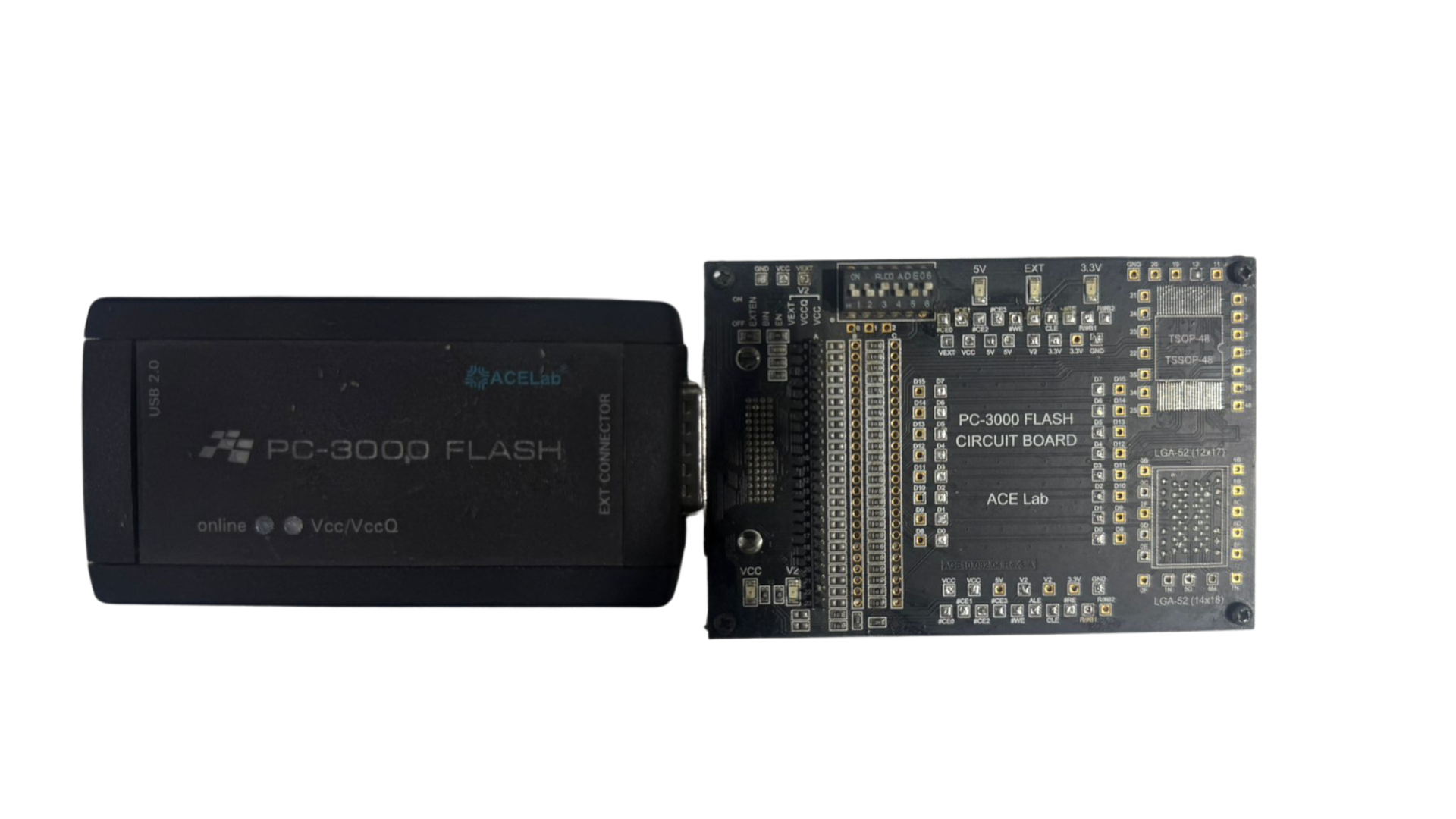
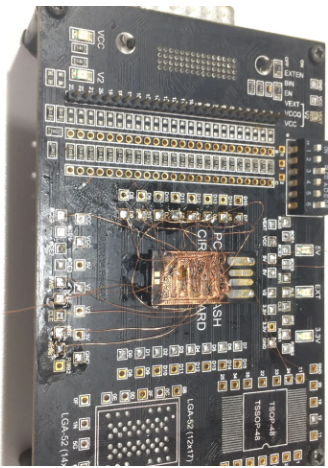
If only the outer casing or PCB traces are broken: There is still a slim window of hope through advanced Forensic Micro-Solder Recovery.
🛠️ Why This Case Was "No Chance"
Upon expert evaluation in our lab, it was confirmed that the crack went directly through the Main Memory Die. In such scenarios:
The microscopic storage cells are severed.
The "address lines" that locate your files are destroyed.
In this specific case, we had to deliver the tough news to our client—the damage was terminal.
⚠️ How to Prevent This from Happening to You:
Never Force it: If a card is stuck in your phone or camera, do not pull it forcefully. Use a pair of precision tweezers or bring it to a professional to extract it safely.
Handle with Care: Micro SD cards are made of thin layers of silicon and plastic. They cannot withstand bending or high pressure.
The "Middle" Rule: The center of the card is where your data actually lives. A scratch or a bend in the middle is far more dangerous than a chip on the corner.
Hex Technology Advice
While we pride ourselves on recovering data from the most difficult cases, physical destruction of the memory chip is the only boundary technology cannot yet cross. Always maintain a cloud backup to ensure your memories survive even if your hardware doesn't.
Don't Lose Your Precious Memories Forever!
If your Micro SD card is unreadable or physically broken, stop using it immediately to avoid further data loss. Visit Hex Technology in Bahrain for a professional diagnostic and a seamless data recovery experience. Our expert technical support team is ready to assist you if you face any issues, and we will do our best to retrieve your files using advanced lab equipment. Your data is safe with us!